You can find the latest ATE newsletter in the publications kiosk and by clicking HERE.
Published on
The ATE laboratory newsletter
You can find the latest ATE newsletter in the publications kiosk and by clicking HERE.
Published on
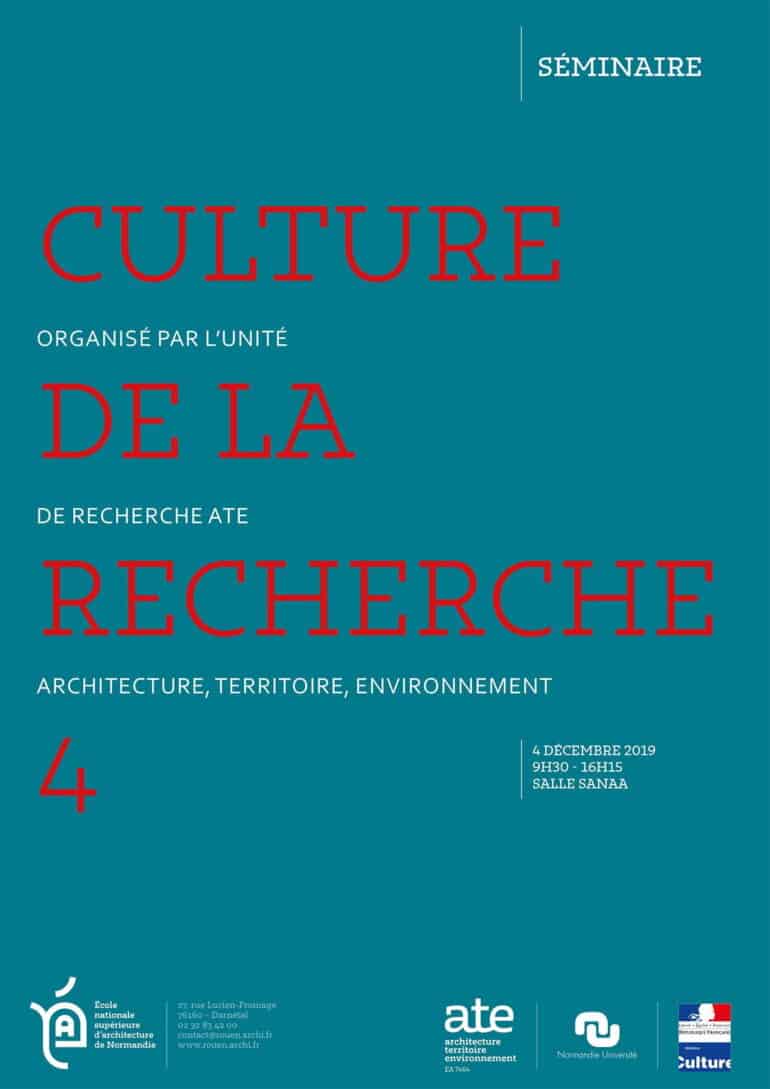
This seminar is organised by the ATE Laboratory with Caroline Lemans, Lionel Engrand, Patrice Gourbin, Camille Bidaud and Ralph Goche.
By Mireille Avril, RizHome, eco-design and strategic design agency.
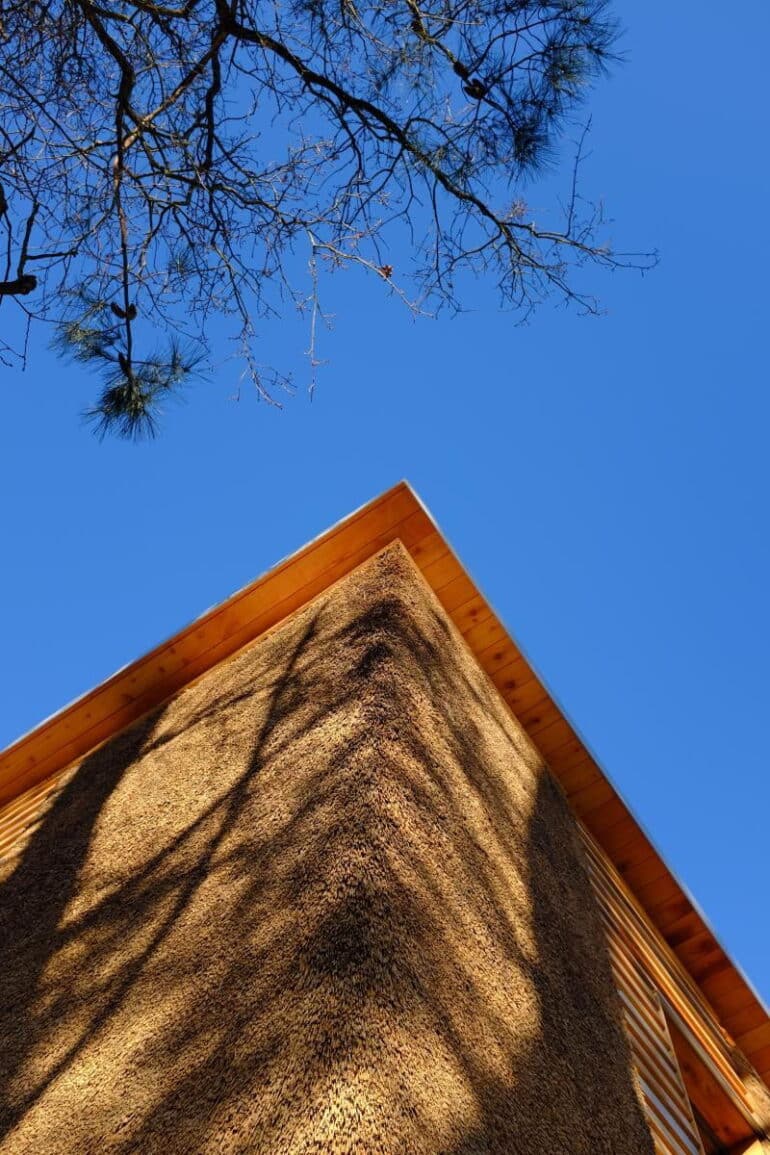
An envelope design described as innovative for two artists' houses. A tailor-made die that adds value to a coastal plant heritage. A multi-functional design that extends to the material, the construction system, the die and even the strategic design of a foundry. Tomorrow, walls simplified to a minimal and biophilic expression: a "hearth skin"! Wouldn't innovation finally be the effectual process linked to the contemporary use of vernacular materials; reed, wood?
Conference organised by the ATE laboratory as part of the Fabrique Echelle 1, Experimenting with the Reed
Visual: ©Clémence Cazenave
From 9.30 a.m. to 5 p.m., at the Lisieux Town Hall
The theme considered is the differences between central and peripheral spaces in terms of design and heritage in the city (re)built in the 20th century.
the city (re)constructed in the 20th century. What are the respective modes of perception, experience and action for the actors, residents, users and visitors in these spaces?
spaces? What interactions, how to think about the interfaces and intermediate spaces of the in-between?
Organization: ATE research units (Patrice Gourbin), ENSA Normandie ESO-Caen, University of Caen-Normandy
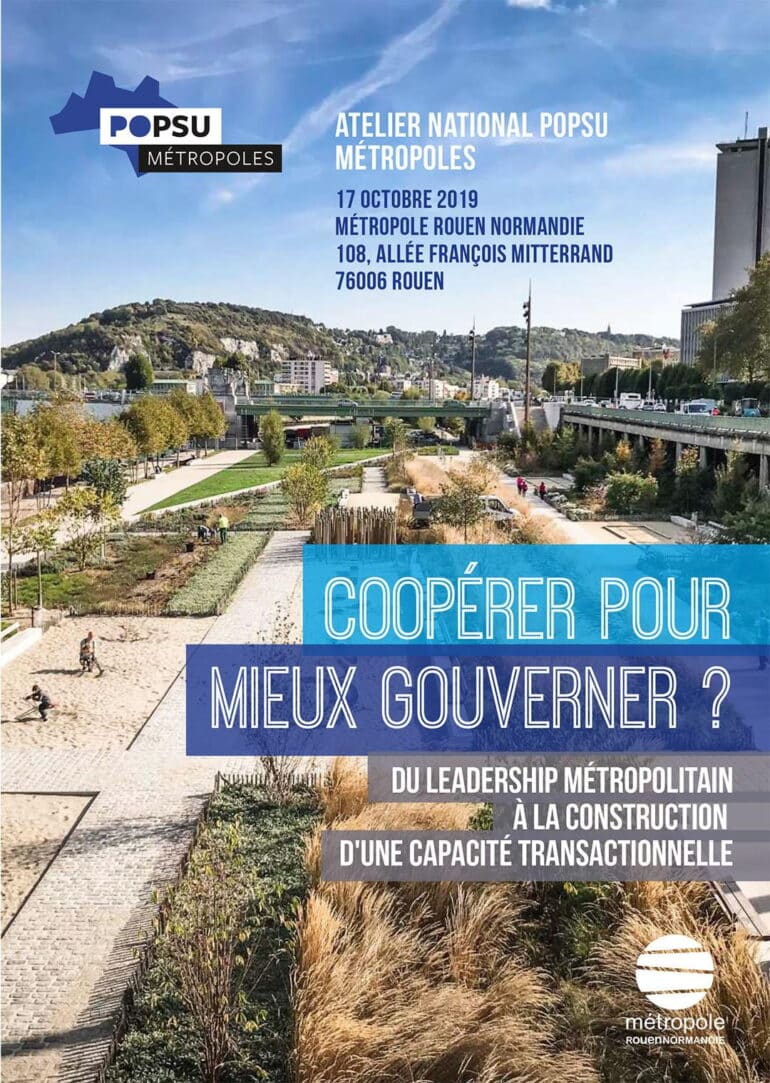
from 9.30 a.m. to 6.30 p.m., at the Metropole of Rouen
During the Trente Glorieuses, several large French cities were governed and represented by 'leaders' such as Jacques Chaban-Delmas in Bordeaux, Georges Frêche in Montpellier or Pierre Mauroy in Lille. The power of these personalities was based, of course, on their personal charisma, but also on their capacity to be both strongly inserted in society and local networks and able to represent the interests of their city on a national scale, based on national mandates, sometimes of the highest order. The gradual construction of the French inter-municipal system has also, at least initially, strengthened their power, by allowing them to position themselves as 'unifiers' on subjects that are rather consensual at the local level, such as the reclamation of industrial wastelands through urban projects or outreach policies.
This seminar is organised by the ATE Laboratory
Christel Palant-Frapier
This seminar is organised by the ATE Laboratory
This seminar is organised by the ATE Laboratory.