Fanzine

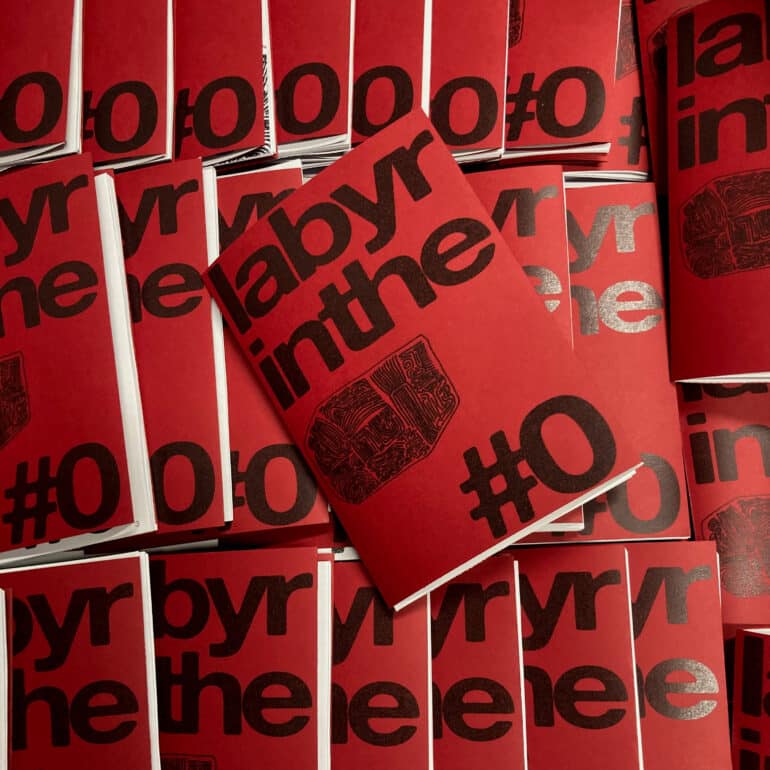
Labyrinth #0

The Fanzine "Labyrinthe" is an editorial project initiated by a collective of doctoral students fromENSA Normandie ATE, straddling several statuses—student, researcher, professional, teacher, architect... — with the aim of sharing and promoting an exploratory approach, a transitional, liminal position on the fringes of architectural practice.

The project is part of this dynamic of research and critical positioning, based on the figure of the labyrinth, long the symbol of a path of initiation, but perhaps also and above all, that of a space where one learns to orient oneself, where one discovers the other, where one confronts trouble and the complex.

What if we were to see this space-time as permanent rather than transitory?

***

Contents of #0 - January 2024: editorial / the doctoral student's walk / praise for the journey / I'm talking about a place / surface 2: alternative model for politics on earth / fighting / story of a local struggle: sticks in the road / Atelier Bow-Wow's love of bad architecture

With contributions from ATE doctoral students: Antoine Apruzzese, Alexis Desplats, Miléna Koutani, Léna Tullifer

FIND THE ISSUE ONLINE HERE

Publication:

edited by Noura Arab and François Fleury

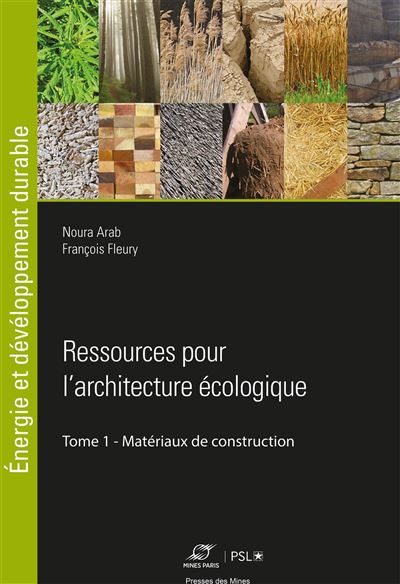
<i>Ressources pour l’architecture écologique. Tome 1, matériaux de construction</i>

Les Presses des Mines, the École Nationale Supérieure d'Architecture de Normandie, the ATE laboratory, and the Chair of Renewable Natural Resources, Climate, and Architecture have published the book Resources for Ecological Architecture. Volume 1, Building Materials. This collective work is the result of the seminar "Materials, Construction Resources in Architecture, " held in June 2022 atENSA Normandie.
The book is edited by Noura Arab and François Fleury, professors and researchers at the ATE laboratory.

Book summary
Today, building materials can no longer be considered as commodities, whose exploitation would be limited only by economic profitability.
This book, the first of a three-volume series, addresses the challenges of integrating low environmental impact materials (biosourced, geosourced and reused) into the world of architecture, and introduces a new relationship with these resources, part of a two-way relationship with our environment. This approach is profoundly altering design processes and prompting us to rethink our research methods.
Scientific contributions, pedagogical feedback, examples of experimentation and controversy are mutually enriching in this book, which sets out the current dynamics of the question of resources in architecture. The multidisciplinarity and variety of points of view reveal the complexity of the problems, provide knowledge and solutions, and open up methodological and creative perspectives in teaching, research and practice on the issue of ecological materials for construction.

View a PDF excerpt

The link to the publisher's website to purchase the book (print or digital version)


visual: cover of Ressources pour l'architecture écologique. Tome 1, building materials, Presses des Mines, 2023

Publication:

edited by Dominique Lefrançois

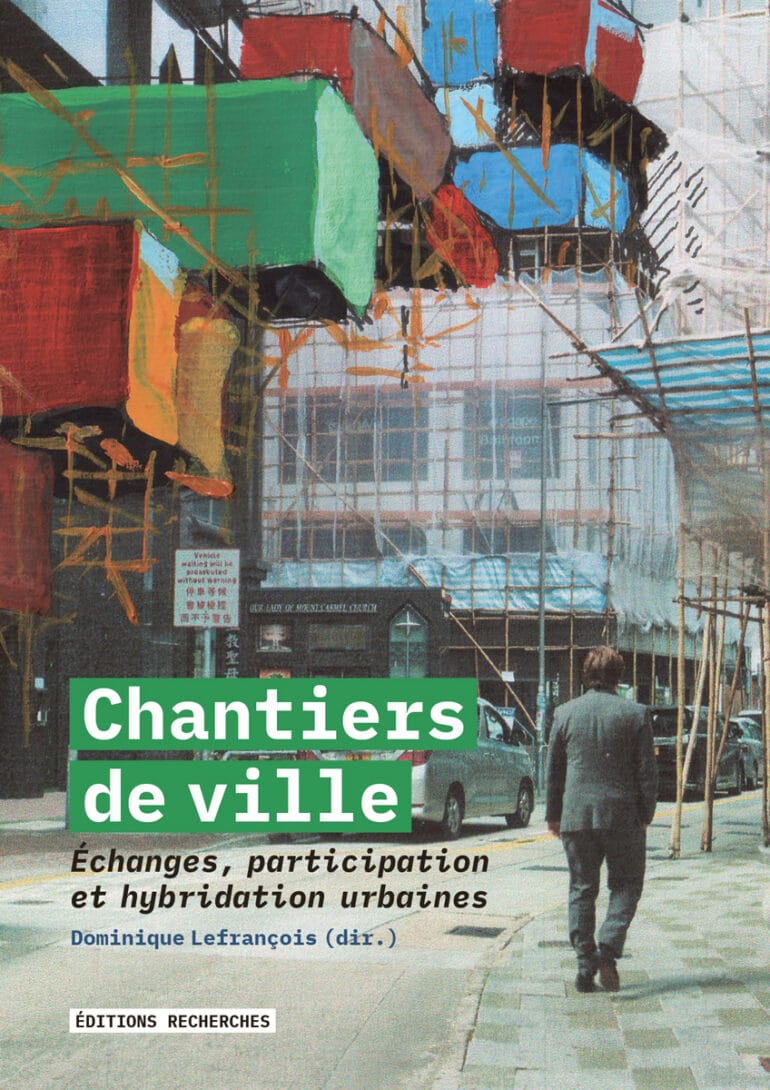
<i>Chantiers de ville. Échanges, participation et hybridation urbaines</i>

The book Chantiers de ville: exchanges, participation and urban hybridizationedited by Dominique Lefrançois (teacher-researcher at ATE), with the collaboration of Cécile Barbier and Nadya Rouizem (associate member of AHTTEP/AUSser) has been published by Editions Recherches.

Book presentation

Inhabitant participation is nowadays carried on the banner of a more just and plural city. But it is constantly criticized, both by residents who desert participation bodies, and by urban professionals and researchers. So how can we change or improve the situation? Can we give participation the political dimension it lacks? Can we ensure that everyone is truly involved, including those who may or may not have deliberately set themselves apart from the norm? How can we also imagine a city that the ecological imperative invites us to look and think differently?
At a time when debate requires bringing together people who are strangers to each other, when neighborly relations need to be thought through not only between people but also with animals, when the boundaries between public and private, or between the city and nature, need to be reconsidered, we wanted to bring together the words of people from different backgrounds and professions: architects, urban planners, landscape architects, ethnologists, philosophers, designers, entomologists, film producers...
The book is conceived as a melting pot of experiences and stories in various forms, from discussed to more impromptu analyses. Conceived as a forum, it is nourished by the idea that the intersection of points of view can give rise to other perspectives for building a city made up of exchanges and urban hybridizations, forced to rebuild on itself, in essence a permanent work in progress.


Chantiers de ville includes contributions by Cécile Barbier, Nadya Rouizem, Nele Aernouts, Antoine Apruzzese (doctoral student at ATE), Patrick Bouchain, Anne-Laure Chambaz, Thomas Decreus, Goliath Dyèvre, Lucie Faure, Romain Gallart, Patrick Godeau, Nicolas Guillon, Pascale Joffroy, Clotilde Joly, Stéphane Juguet, Claire Lemarchand, Houcine Messous, Francis Navarre, Mélusine Pagnier, Thierry Paquot, Coriandre Prudhomme, Mina Saidi Sharouz, Eddie Soulier, Juliette Spire.

The publication of this book was made possible thanks to the participation of the ATE laboratory, the AHTTEP-UMR AUSSER CNRS laboratory, the French Ministry of Culture and the ANR.

Discover the contents HERE

Further information and orders on the publisher's website

visual: cover of the book Chantiers de ville. Échanges, participation et hybridisation urbaines, éditions recherches, 2023

Publication:

A look back at a multi-partner educational experience

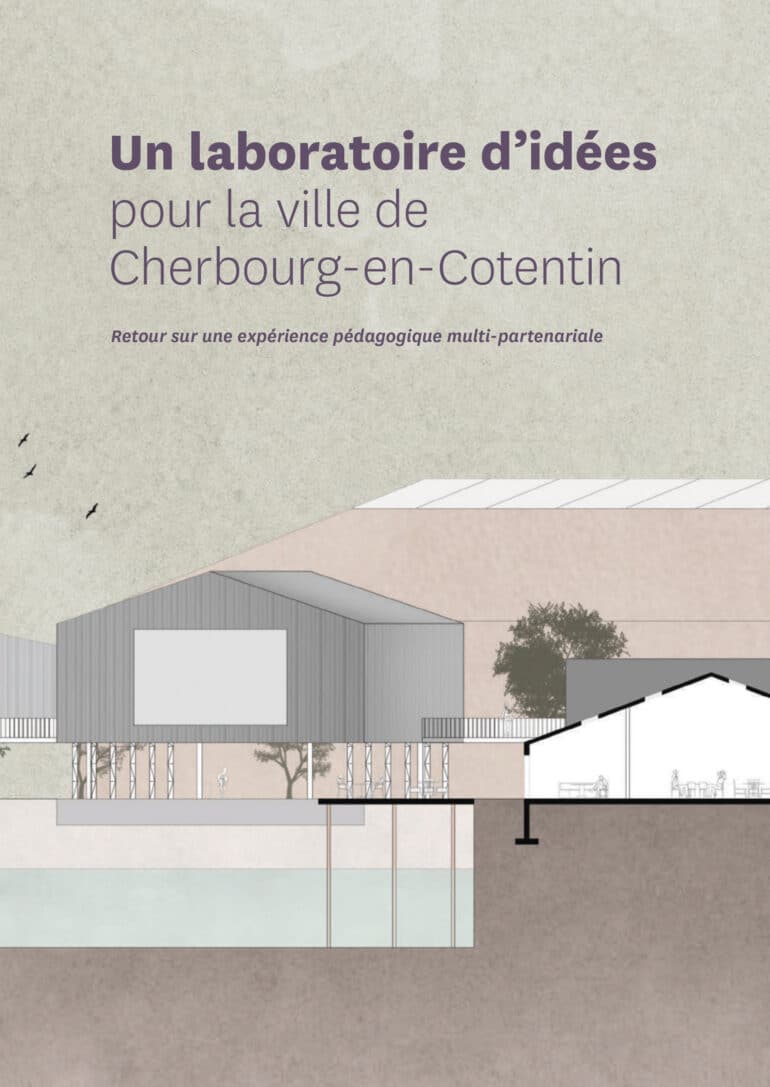
A laboratory of ideas for the town of Cherbourg-en-Cotentin

Anne Portnoï, Gabriella Trotta-Brambilla, (dir.), A laboratory of ideas for the city of Cherbourg-en-Cotentin, September 2021

Coordinated by Anne Portnoï, École nationale supérieure d’architecture de Paris-La Villette, and Gabriella Trotta-Brambilla, École nationale supérieure d’architecture de Normandie, this book reports on the work of students from ENSA Paris La Villette andENSA Normandie the Cherbourg-en-Cotentin area and its town center.

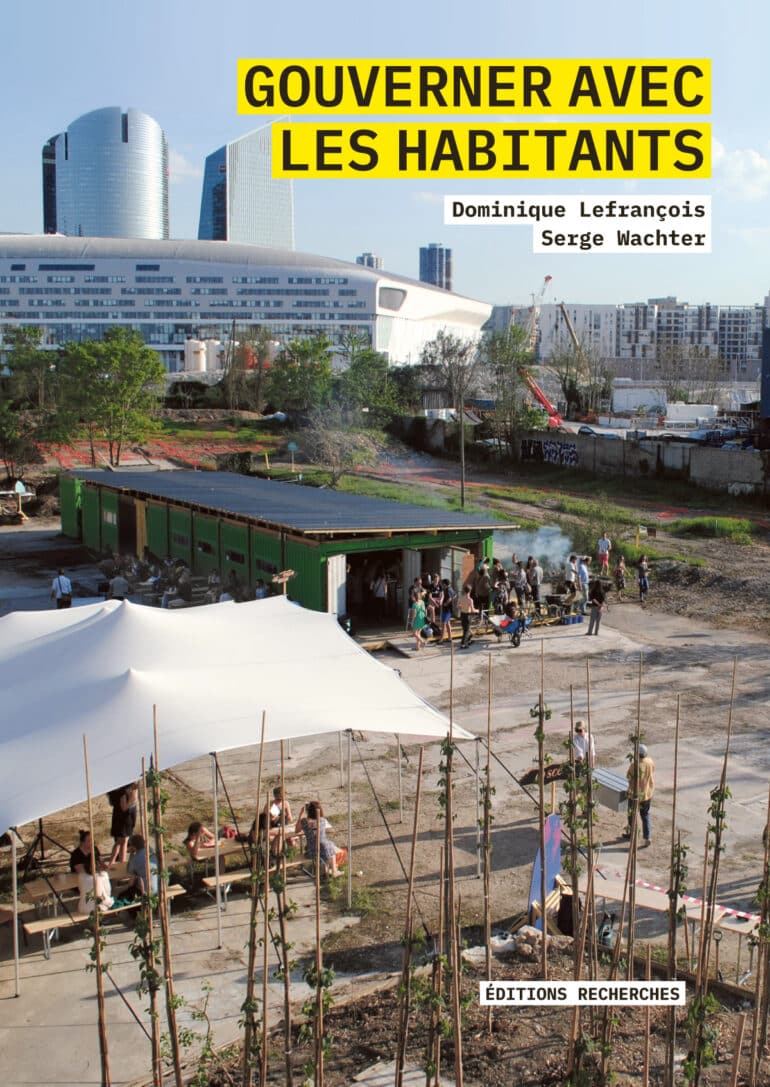
Governing with the people

Dominique Lefrançois, Serge Wachter, Gouverner avec les habitants, Éditions Recherches, August 2021

Both representative and participatory democracy are in crisis today, and this particularly affects working-class neighbourhoods, where large social housing estates are concentrated. The involvement of residents in the policies that affect their housing and their living environment is, if not non-existent, at least very limited. Is such a lack of citizenship inevitable? No, because experiences of citizen mobilisation have been multiplying over the last few years, showing a growing awareness among residents of the issues at stake in the rehabilitation of their housing and public spaces in their neighbourhoods. At the same time, a participatory injunction, addressed to residents and users, is on the rise and is spreading to the various sectors of urban public action.
This book explores the merits and limitations of new instruments aimed at encouraging citizen participation in planning policies. Through an anthropological investigation, it also examines the barriers and possible means of improving the way in which the voice of citizens is taken into account in marginalized neighbourhoods. These reflections sketch out ways to implement new forms of local democracy that allow for governing with the inhabitants.

Publication:

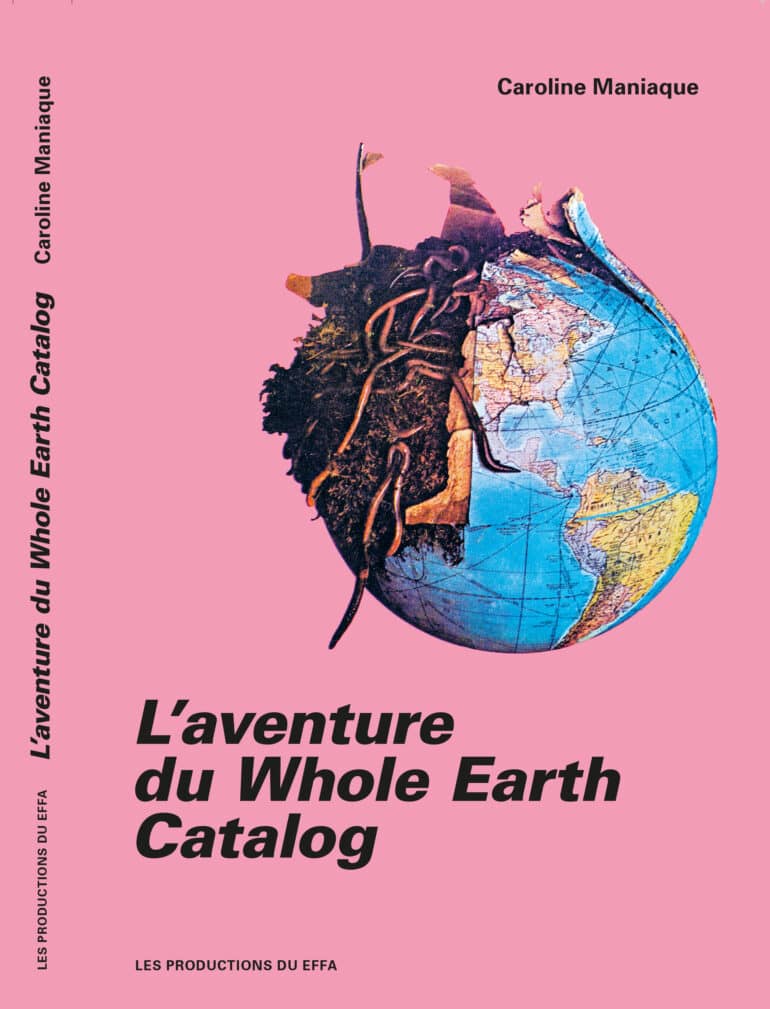
The Whole Earth Catalog adventure

Caroline MANIAQUE, The Adventure of the Whole Earth Catalog, Les Productions du EFFA, 2021

The book tells the story of the birth, development and end of a "catalogue" that appeared in several versions from 1968 onwards, spread outside any traditional institutional and economic framework, sold more than a million copies in the United States and Europe and inspired European versions, notably, in France, Le Catalogue des Ressources. The Whole Earth Catalog informed its readers in very concrete terms about the latest research of the American counterculture on how to live differently: how to build a geodesic dome, make compost or design an architecture with a solar energy collection device, as well as the latest publications in the practical or scientific fields. The transformation of lifestyle was also addressed on a personal level, with, for example, the interest in yoga appearing in the background. The catalogue also combined an ecological approach, hippie sensibility and an interest in cybernetics. Paradoxically, it thus heralded the transformation of our societies by the new information technologies.

Publication:

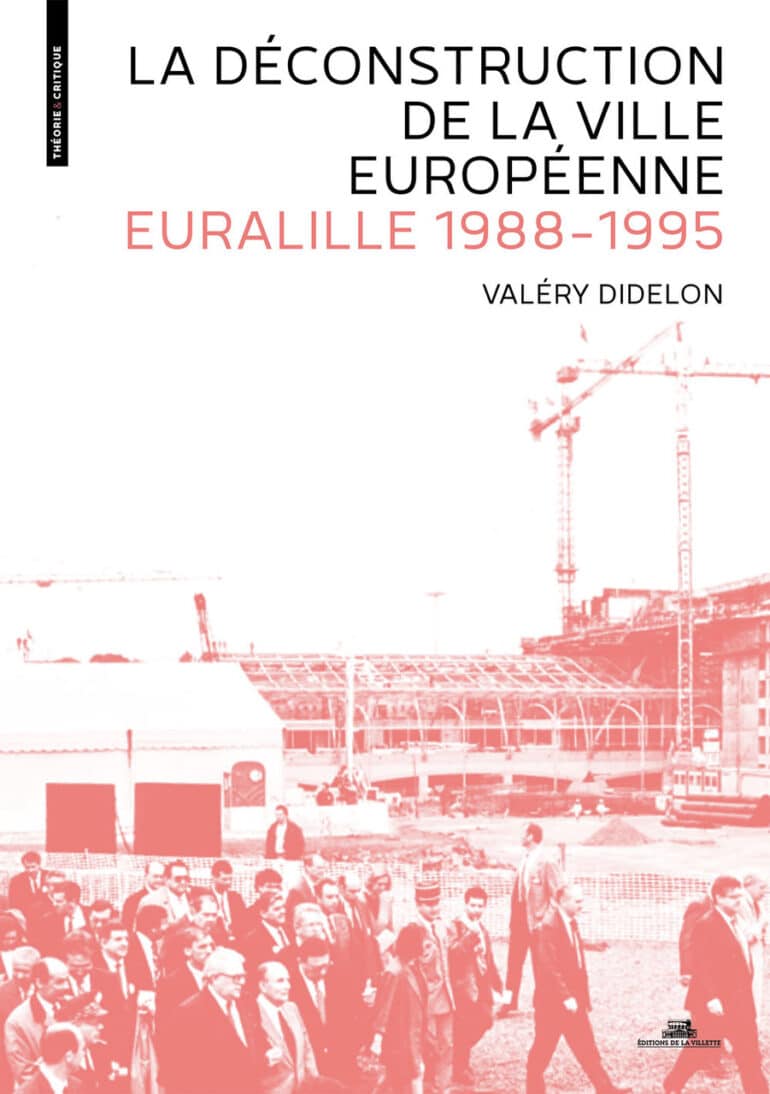
The deconstruction of the European city: Euralille 1988-1995

Valéry DIDELON, La déconstruction de la ville européenne : Euralille 1988-1995, Paris : Éditions de la Villette, June 2021, 160p.

At the turn of the 1990s, the city of Lille was the scene of one of the most commented and controversial urban planning operations of the end of the 20th century, not only locally, but also nationally and internationally. Known as Euralille, it concerned a 70-hectare sector around the new Tgv station that would soon put the capital of Flanders within an hour's drive of the great European metropolises: Paris, London and Brussels.
With some thirty years' hindsight, Valéry Didelon looks back at Euralille, which has become France's third largest business district, not so much in terms of its urban form or architectural style as in terms of the process that generated it and which reflects the neoliberal turn in city planning: a mixture of the decline of the welfare state, the rise of private operators and the crisis in the status of the architect-urban planner.
The book is thus organized around three main characters of this history, major actors and pioneers in their respective fields: Rem Koolhaas, a world-renowned Dutch architect who would become one of the greatest stars of architecture, Pierre Mauroy, the city's socialist mayor and a politician of national stature, and above all Jean-Paul Baïetto, the real manager of this project, creator of the semi-public company that financed it, and inventor in France, on this occasion, of the half-public, half-private figure of the "developer", which is today central to urban planning operations.
With a bibliography and an index, the book is completed by an unpublished interview with Rem Koolhaas, conducted by the author.

Publication: