The deconstruction of the European city: Euralille 1988-1995

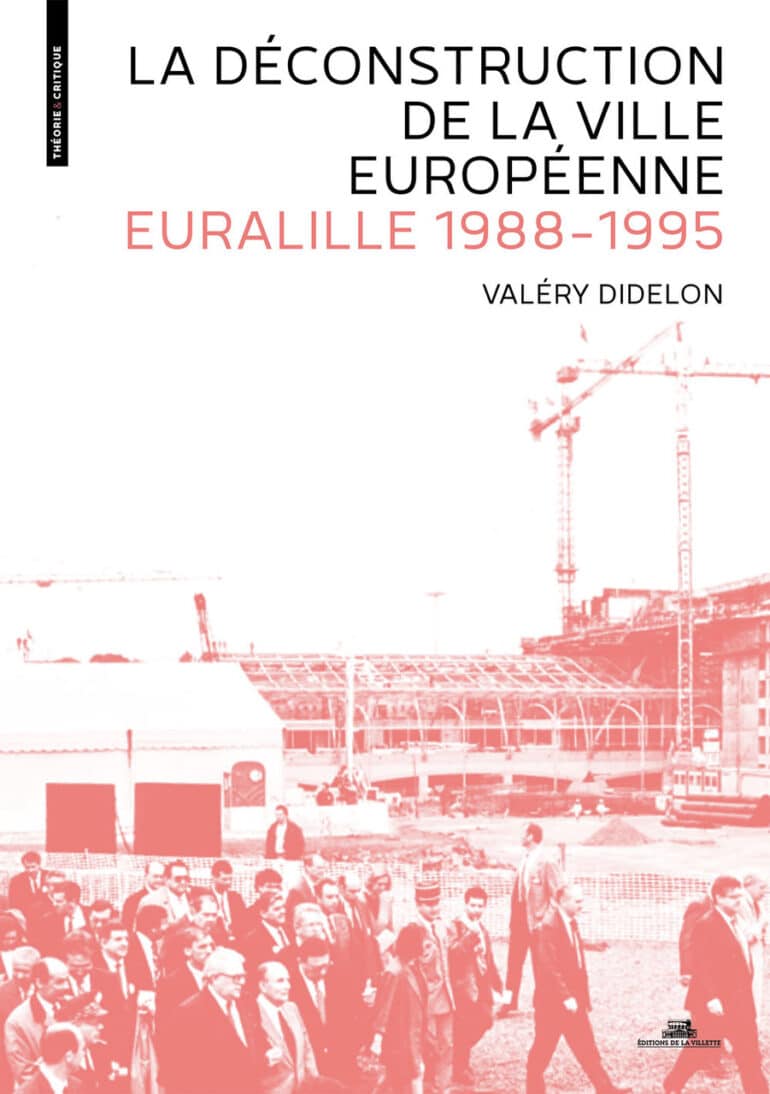
Valéry DIDELON, La déconstruction de la ville européenne : Euralille 1988-1995, Paris : Éditions de la Villette, June 2021, 160p.

At the turn of the 1990s, the city of Lille was the scene of one of the most commented and controversial urban planning operations of the end of the 20th century, not only locally, but also nationally and internationally. Known as Euralille, it concerned a 70-hectare sector around the new Tgv station that would soon put the capital of Flanders within an hour's drive of the great European metropolises: Paris, London and Brussels.
With some thirty years' hindsight, Valéry Didelon looks back at Euralille, which has become France's third largest business district, not so much in terms of its urban form or architectural style as in terms of the process that generated it and which reflects the neoliberal turn in city planning: a mixture of the decline of the welfare state, the rise of private operators and the crisis in the status of the architect-urban planner.
The book is thus organized around three main characters of this history, major actors and pioneers in their respective fields: Rem Koolhaas, a world-renowned Dutch architect who would become one of the greatest stars of architecture, Pierre Mauroy, the city's socialist mayor and a politician of national stature, and above all Jean-Paul Baïetto, the real manager of this project, creator of the semi-public company that financed it, and inventor in France, on this occasion, of the half-public, half-private figure of the "developer", which is today central to urban planning operations.
With a bibliography and an index, the book is completed by an unpublished interview with Rem Koolhaas, conducted by the author.

Publication:
Research culture 7

Publication:

The ATE Workbooks n°3

The main objective of this newsletter is to present the PhD students of the laboratory. Despite the context of the pandemic, which obliges us to postpone certain collective activities, we were keen to organise the Cultures of Research seminars in person. The one in March 2021 (n°6), during which we heard contributions from Natalia Petkova, Camille Lesouef and Tricia Meehan, was a success: we had 45 participants, the maximum capacity of the Duminy amphitheatre! The WebTV allowed us to reach a wider audience.
Have a good read!
Caroline Maniaque, Director of the ATE research unit

Publication:

Research culture 6

Publication:

RADIAL 3

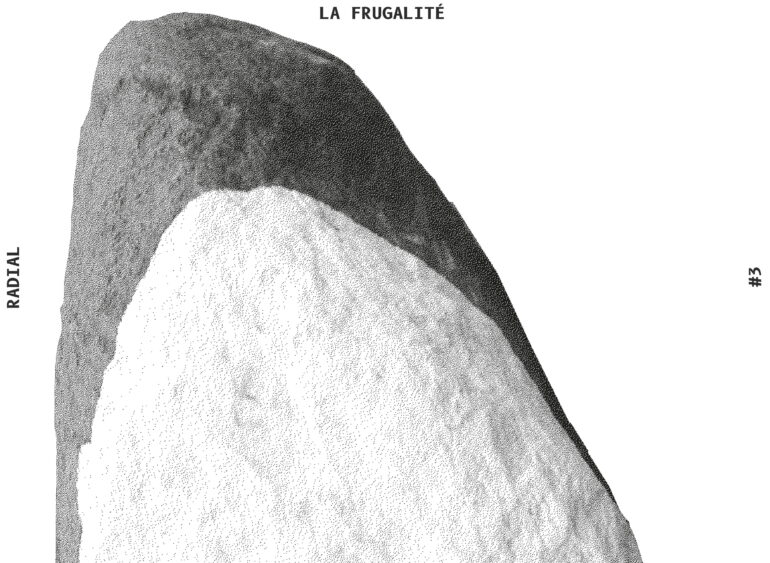
The RADIAL journal, linked to the RADIAN doctorate in research and creation, has just published its third issue on the theme of 'frugality'.

Among the articles written by academics, artists, and architects, this issue includes three texts directly related to architecture: Julie Beauté, Living with lichens: symbiotic perspectives on frugality in architecture; Dominique Gauzin Muller, From Critical Regionalism to Creative Frugality: The Return of Vernacular Architectural Materials; and Alexandre Melay, From the Aesthetics of Wabi to Contemporary Architectural Minimalism. In his column Varia, Research in Creation, Arnaud François, architect and senior lecturer atENSA Normandie, questions from an epistemological perspective different ways of articulating scientific research with artistic and architectural creation.

For all requests for paper copies, please contactEsadhar.

Architecture and Experimentation

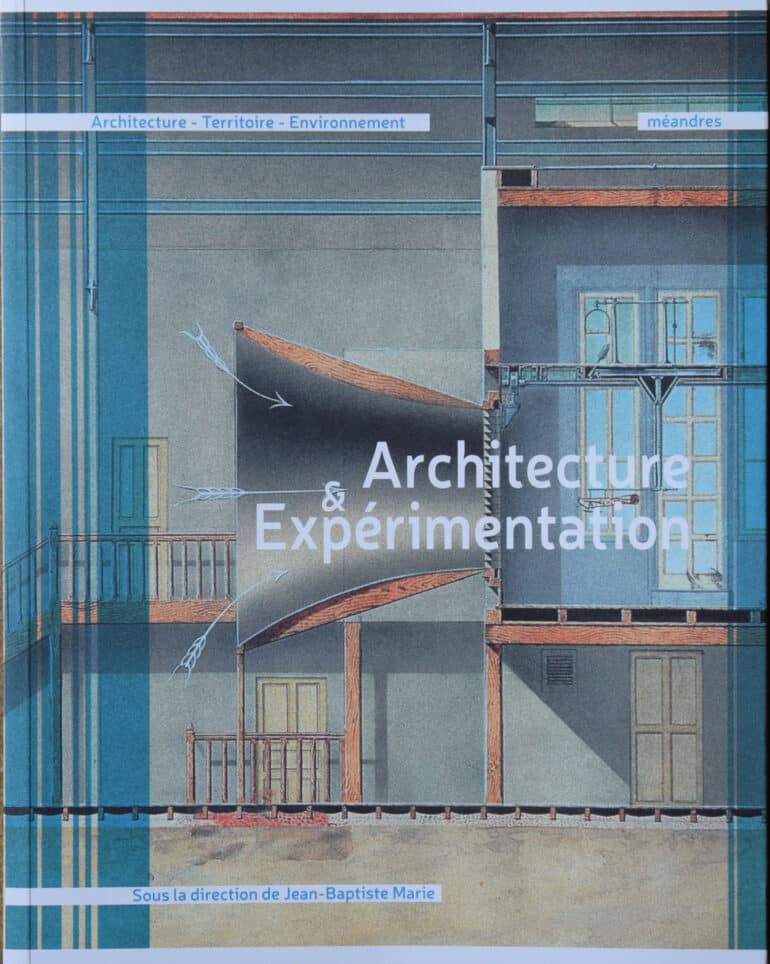
Marie J-B (dir.), Architecture et Expérimentaion, Rouen, ATE / Éditions des Méandres, 2020, 176 p.

Experimentation is on the rise, judging by its increasing importance in the daily life of architectural practices. Better still, it has established itself in architecture schools around the world as a new tool for learning by doing and as one of the protocols for research. However, this new modus operandi for architecture is not without its critics, because of its strong focus on the manipulation of matter or its lack of a theoretical corpus. Faced with the profound changes in the architectural profession, what role can experimentation play in the face of the new challenges of the ecological transition?

The book discusses the need for a new methodological framework to better control project processes: these involve renewing the system of actors - in particular by renewing the links between engineers and architects -, managing technological innovations at the service of the project, reinventing the dialogue between agencies and industry, and paying greater attention to user demands. Experimentation is thus examined within architectural agencies, through the role it plays in architectural education and as a tool for architectural research.

Book on request depending on stock availability

Publication:

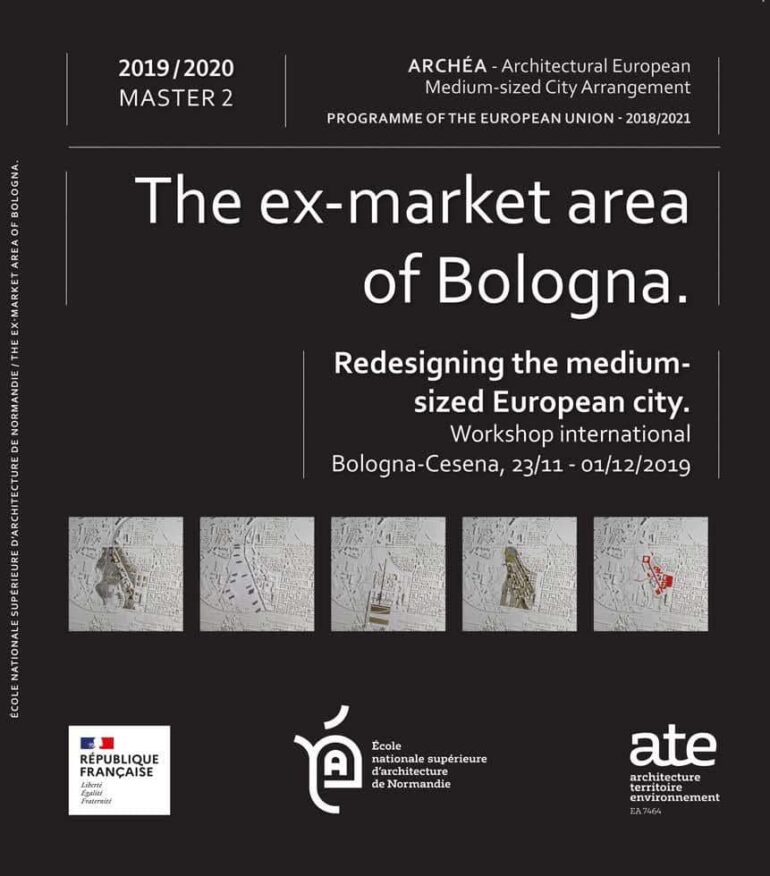
International workshop, Bologna, Italy

The ex-market area of Bologna.

In the framework of the ARCHÉA programme - Architectural European Medium-sized City Arrangement

Programme of the European union 2018/2021

Research culture 5

Publication:

The ATE Workbooks n°2

The second letter, published in July 2020, echoes the period of confinement linked to COVID, as Caroline Maniaque, Director of the ATE Research Unit, explains in her editorial: " We asked all ATE members to highlight a particular aspect of their activity over the last three months, made possible by the exceptional access to online resources - architectural journals, archive collections, books - or the deepening of previously collected but not yet analysed research files. Dominique Lefrançois, Bruno Proth and Raphaël Rattier each sent a contribution.

Publication:

The ATE Workbooks n°1

In March 2020, the first edition of the ATE Research Unit newsletter, Les cahiers d’ATE, was published. This new promotional tool highlights the particularly rich activities and events related to the culture of research atENSA Normandie.

Publication: