Carole Lemans

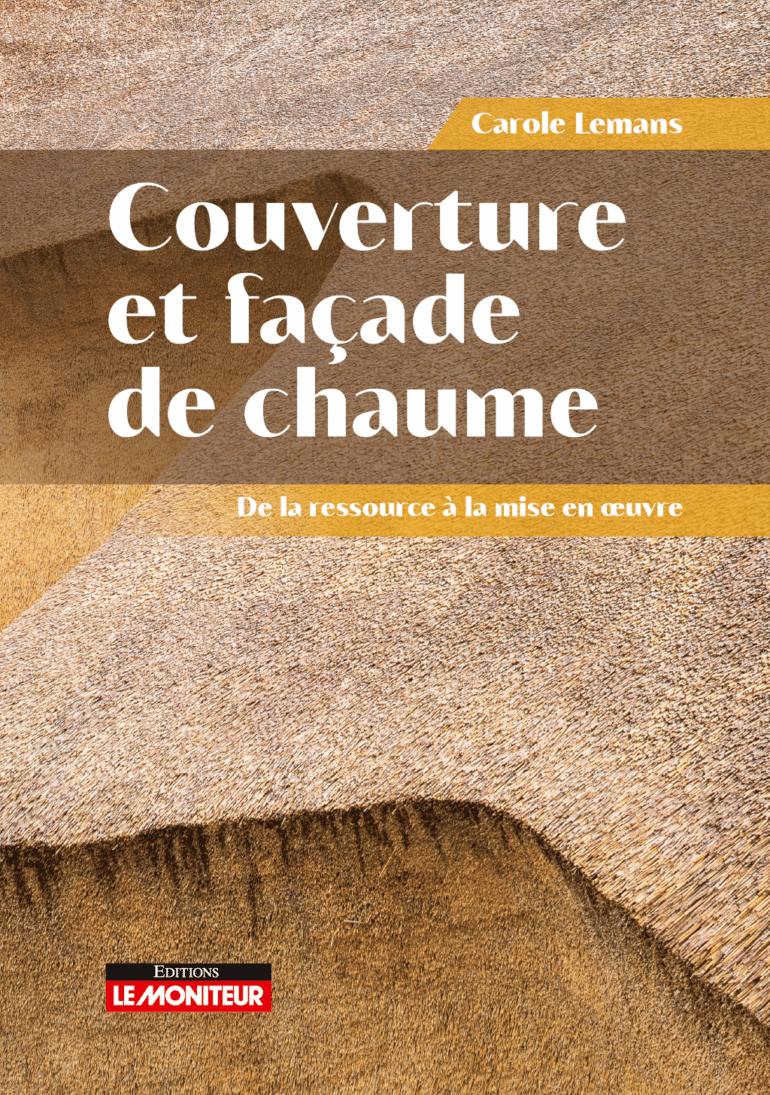
<i>Couverture et façade de chaume. De la ressource à la mise en œuvre</i>

Editions Le Moniteur publish the book Couverture et façade de chaume. From resource to implementation. This publication is the result of the doctoral thesis defended by Carole Lemansassociate professor at ENSA Normandie and associate researcher at the ATE laboratory.

Summary of the book

Le chaume désigne tout à la fois le matériau, qu’il s’agisse de paille, de blé, de seigle, de roseau, et la technique de mise en œuvre utilisée. Aujourd’hui, l’intérêt pour le matériau est vivifié par le développement de la construction bas carbone.
Par ailleurs, depuis une vingtaine d’années, une production architecturale contemporaine de chaume émerge, en rupture avec l’expression traditionnelle de la chaumière ; elle s’exprime notamment par une utilisation du chaume en vêture verticale.
Ainsi, cet ouvrage illustré en couleurs présente l’architecture contemporaine de chaume, l’évolution de son utilisation, l’image qu’il véhicule aujourd’hui et les limites de la filière de production. Organisé autour de trois chapitres, cet ouvrage :
– présente les ressources françaises (roseau de Bretagne, de Normandie et de Camargue) ;
– décrit le processus de transformation de la production agricole à la botte livrable sur chantier, l’entreprise de récolte devant veiller sur plusieurs niveaux de qualité, comme la taille du roseau, son tri et son taux d’humidité ;
– détaille les techniques de fixation et alerte sur des points de vigilance
– expose les potentiels et les limites du chaume en France aujourd’hui, au travers du cadre réglementaire, des dégradations fongiques prématurées et de ses qualités écologiques
– présente les spécificités régionales par ouvrage particulier (égouts, faîtages, arêtiers, lucarnes, rives, etc.), éléments présentant aussi bien des enjeux constructifs que des supports d’expression.
– s’intéresse aux architectures contemporaines de chaume des climats de type océanique, en France, mais aussi aux Pays-Bas, où la production architecturale est riche et les savoir-faire spécifiques. Des exemples de vêture verticale en chaume sont fournis.L’ouvrage, portant à la fois sur la technique et l’esthétique du chaume, s’adresse donc tant aux artisan·es, aux architectes désireux de s’ouvrir à de nouvelles formes architecturales qu’aux particuliers intéressés par le matériau.

Book summary click HERE

To order the book on the Editions Le Moniteur website: https://boutique.lemoniteur.fr/author/carole-lemans.html

visual: cover of Couverture et façade de chaume, published by Le Moniteur, 2024

Publication:

Patrice Gourbin

<i>La reconstruction du bâti agricole dans le Calvados</i>

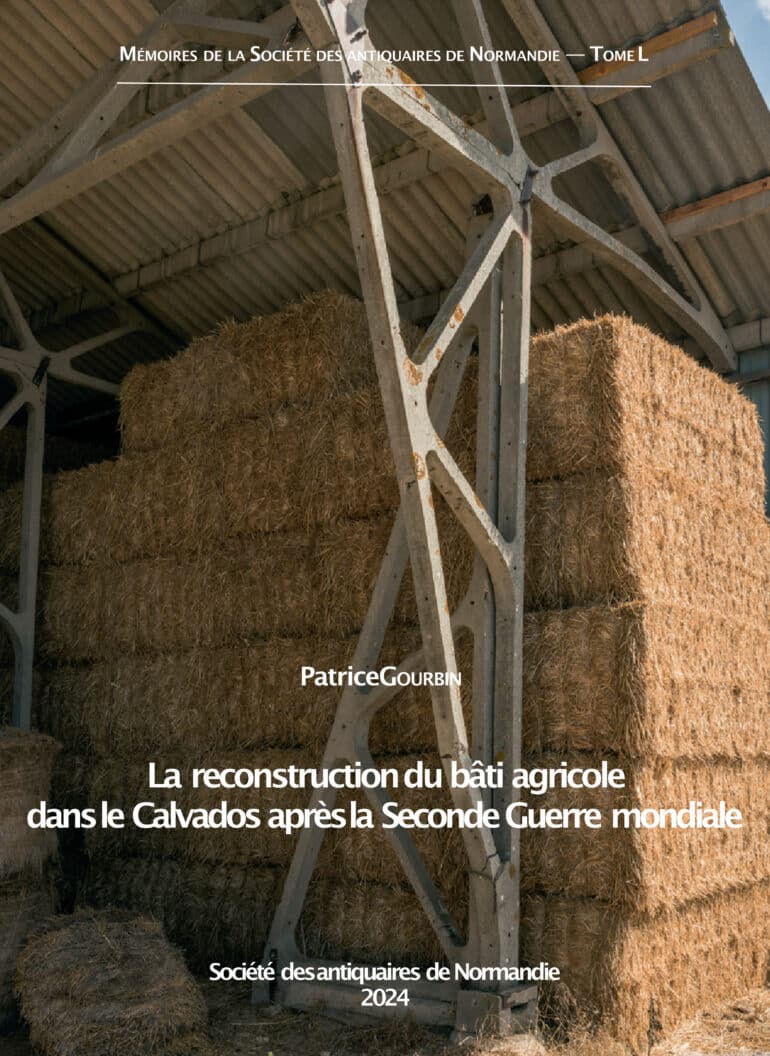
The Society of Antiquaries of Normandy and the ATE laboratory have published the book La reconstruction du bâti agricole dans le Calvados après la Seconde Guerre mondiale. This publication is the result of original research conducted by Patrice Gourbin, lecturer and researcher at the ATE laboratory.

The publication of the book was made possible by the contribution of the Ministry of Culture, the department of Calvados and the ATE laboratory.

Summary of the book

This book situates agricultural reconstruction in the Calvados département in the context of national debates. Beginning in the early 20th century with the notion of folklore, the debate took a very concrete turn during the Occupation, with a major study on the contribution of traditional architecture to agricultural modernization. At the time of the Liberation, Calvados was the worst-affected département in France in terms of agriculture, with almost 2,200 farms destroyed. Far from the reactionary propaganda of Vichy, the agricultural reconstruction of the département after the Liberation was carried out by the state according to a functionalist doctrine, and took on the aspect of "reasonable modernity" common to the whole of Reconstruction.
In Calvados, the Coopérative de reconstruction de l'Habitat rural (CRHR) was the driving force behind this policy. The transformation carried out during this period radically changed the landscape of agricultural architecture, separating the home from the farm and outsourcing product storage and processing. It was accompanied by a vast consolidation movement, and took place against a backdrop of accelerating modernization of farming practices, at a time when some were seeking to maintain "peasant agriculture" between collectivization and industrialization.
Today, the question of the future of this heritage is being raised, in the context of agricultural decline and suburbanization.


Visual: Cover of the book The reconstruction of agricultural buildings in Calvados after the Second World War, Society of Antiquaries of Normandy, 2024

Publication:

Fanzine

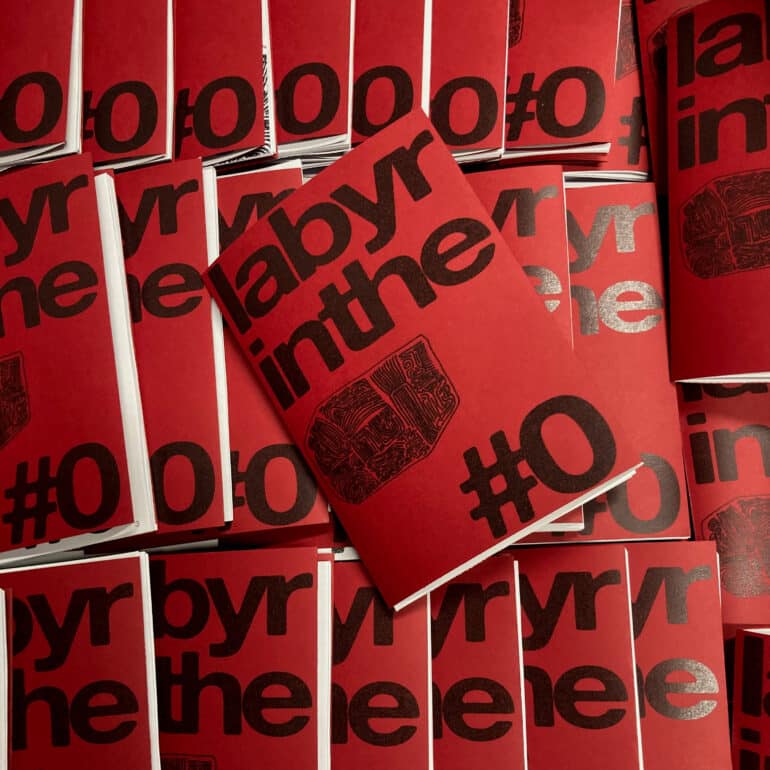
Labyrinth #0

The Fanzine "Labyrinthe" is an editorial project initiated by a group of doctoral students at ENSA Normandie / ATE, straddling several statuses - student, researcher, professional, teacher, architect... - with the aim of sharing and promoting an exploratory approach, a transitory, liminal position on the edge of architectural practice.

The project is part of this dynamic of research and critical positioning, based on the figure of the labyrinth, long the symbol of a path of initiation, but perhaps also and above all, that of a space where one learns to orient oneself, where one discovers the other, where one confronts trouble and the complex.

What if we were to see this space-time as permanent rather than transitory?

***

Contents of #0 - January 2024: editorial / the doctoral student's walk / praise for the journey / I'm talking about a place / surface 2: alternative model for politics on earth / fighting / story of a local struggle: sticks in the road / Atelier Bow-Wow's love of bad architecture

With contributions from ATE doctoral students: Antoine Apruzzese, Alexis Desplats, Miléna Koutani, Léna Tullifer

FIND THE ISSUE ONLINE HERE

Publication:

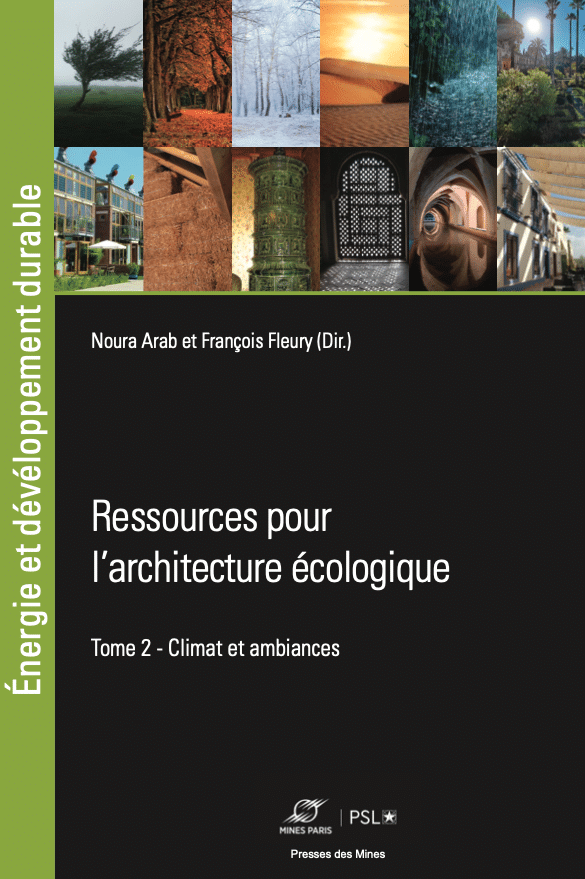
edited by Noura Arab and François Fleury

<i>Ressources pour l’architecture écologique. Tome 1, matériaux de construction</i>

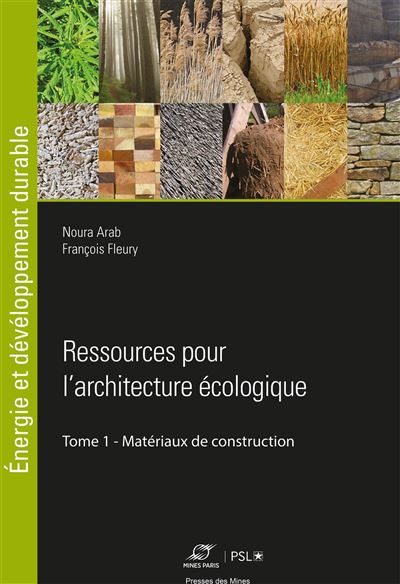
Les Presses des Mines, the École Nationale Supérieure d'Architecture de Normandie, the ATE laboratory and the Natural Renewable Resources, Climate and Architecture Chair, are publishing the book Ressources pour l'architecture écologique. Volume 1, building materials. This collective work is the result of the seminar "Les matériaux, ressources constructives en architecture", held in June 2022 at ENSA Normandie.
The book is edited by Noura Arab and François Fleury, teacher-researchers at the ATE laboratory.

Book summary
Today, building materials can no longer be considered as commodities, whose exploitation would be limited only by economic profitability.
This book, the first of a three-volume series, addresses the challenges of integrating low environmental impact materials (biosourced, geosourced and reused) into the world of architecture, and introduces a new relationship with these resources, part of a two-way relationship with our environment. This approach is profoundly altering design processes and prompting us to rethink our research methods.
Scientific contributions, pedagogical feedback, examples of experimentation and controversy are mutually enriching in this book, which sets out the current dynamics of the question of resources in architecture. The multidisciplinarity and variety of points of view reveal the complexity of the problems, provide knowledge and solutions, and open up methodological and creative perspectives in teaching, research and practice on the issue of ecological materials for construction.

View a PDF excerpt

The link to the publisher's website to purchase the book (print or digital version)


visual: cover of Ressources pour l'architecture écologique. Tome 1, building materials, Presses des Mines, 2023

Publication:

edited by Dominique Lefrançois

<i>Chantiers de ville. Échanges, participation et hybridation urbaines</i>

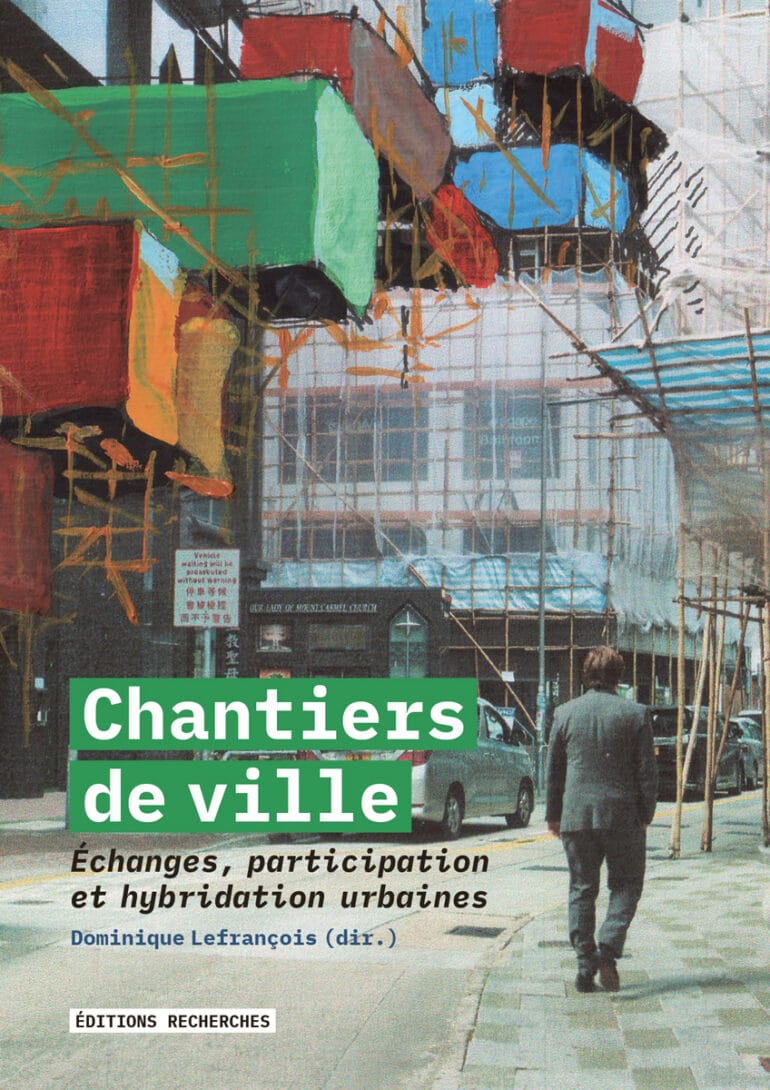
The book Chantiers de ville: exchanges, participation and urban hybridizationedited by Dominique Lefrançois (teacher-researcher at ATE), with the collaboration of Cécile Barbier and Nadya Rouizem (associate member of AHTTEP/AUSser) has been published by Editions Recherches.

Book presentation

Inhabitant participation is nowadays carried on the banner of a more just and plural city. But it is constantly criticized, both by residents who desert participation bodies, and by urban professionals and researchers. So how can we change or improve the situation? Can we give participation the political dimension it lacks? Can we ensure that everyone is truly involved, including those who may or may not have deliberately set themselves apart from the norm? How can we also imagine a city that the ecological imperative invites us to look and think differently?
At a time when debate requires bringing together people who are strangers to each other, when neighborly relations need to be thought through not only between people but also with animals, when the boundaries between public and private, or between the city and nature, need to be reconsidered, we wanted to bring together the words of people from different backgrounds and professions: architects, urban planners, landscape architects, ethnologists, philosophers, designers, entomologists, film producers...
The book is conceived as a melting pot of experiences and stories in various forms, from discussed to more impromptu analyses. Conceived as a forum, it is nourished by the idea that the intersection of points of view can give rise to other perspectives for building a city made up of exchanges and urban hybridizations, forced to rebuild on itself, in essence a permanent work in progress.


Chantiers de ville includes contributions by Cécile Barbier, Nadya Rouizem, Nele Aernouts, Antoine Apruzzese (doctoral student at ATE), Patrick Bouchain, Anne-Laure Chambaz, Thomas Decreus, Goliath Dyèvre, Lucie Faure, Romain Gallart, Patrick Godeau, Nicolas Guillon, Pascale Joffroy, Clotilde Joly, Stéphane Juguet, Claire Lemarchand, Houcine Messous, Francis Navarre, Mélusine Pagnier, Thierry Paquot, Coriandre Prudhomme, Mina Saidi Sharouz, Eddie Soulier, Juliette Spire.

The publication of this book was made possible thanks to the participation of the ATE laboratory, the AHTTEP-UMR AUSSER CNRS laboratory, the French Ministry of Culture and the ANR.

Discover the contents HERE

Further information and orders on the publisher's website

visual: cover of the book Chantiers de ville. Échanges, participation et hybridisation urbaines, éditions recherches, 2023

Publication:

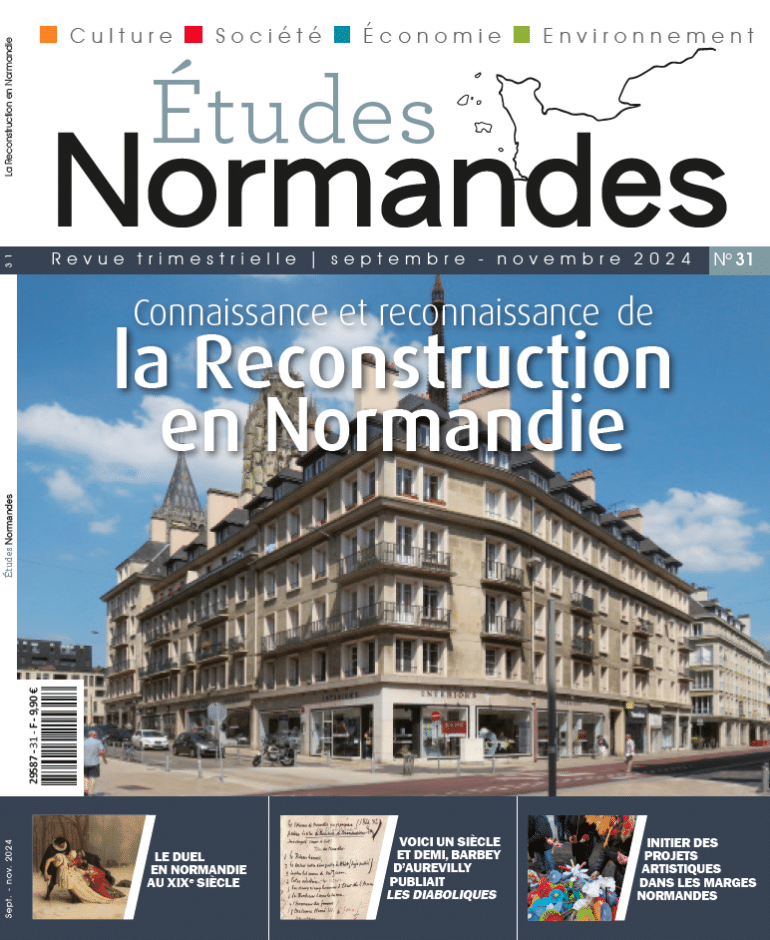
Normandy Studies special issue

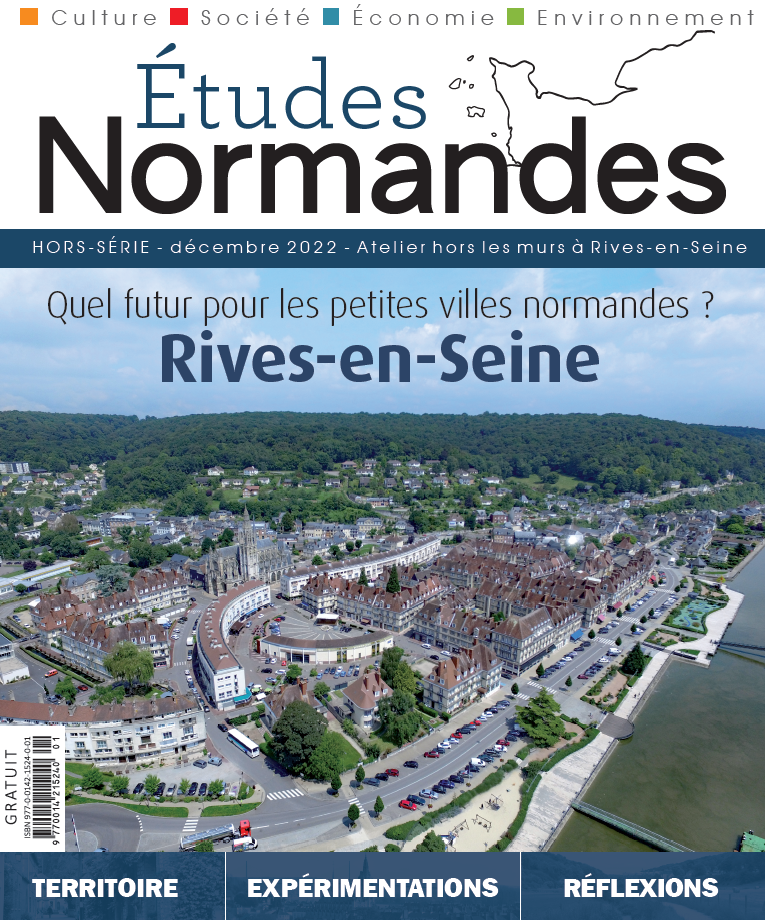
Rives-en-Seine. What does the future hold for small towns in Normandy?

In December 2022, the magazine Études normandes published a special issue to present the collective reflections resulting from an experimental pedagogical and research partnership involving the École nationale supérieure d'architecture de Normandie, the UniLaSalle Polytechnic Institute (Rouen campus) and several actors in the Normandy region.

This analysis presents the results of a "Workshop outside the walls", a five-day immersion with S-07 students from both schools in the new commune of Rives-en-Seine (Seine-Maritime), which is participating in the national program "Small Cities of Tomorrow".
The work was supervised by the teacher-researchers of the M1 DE Architecture de la Ville et des Territoires urban and territorial project workshop: Gabriella TROTTA-BRAMBILLA (head), Joseph ALTUNA, Antoine APRUZZESE, Marie CHABROL, Patrice GOURBIN and Dominique LEFRANÇOIS.

The publication was coordinated by Gabriella TROTTA-BRAMBILLA for ENSA Normandie and presents contributions from teacher-researchers and actors of the territory (Boucles de la Seine Normande Regional Nature Park, Seine-Maritime Departmental Directorate for Territories and the Sea, local elected officials...)

You can download the special issue on theÉtudes Normandes websiteby clicking HERE


visual: ©Étudesnormandes, 2022 - view of downtown Caudebec-en-Caux. coll. PNR BSN / JF Drone N'Caux

Publication:

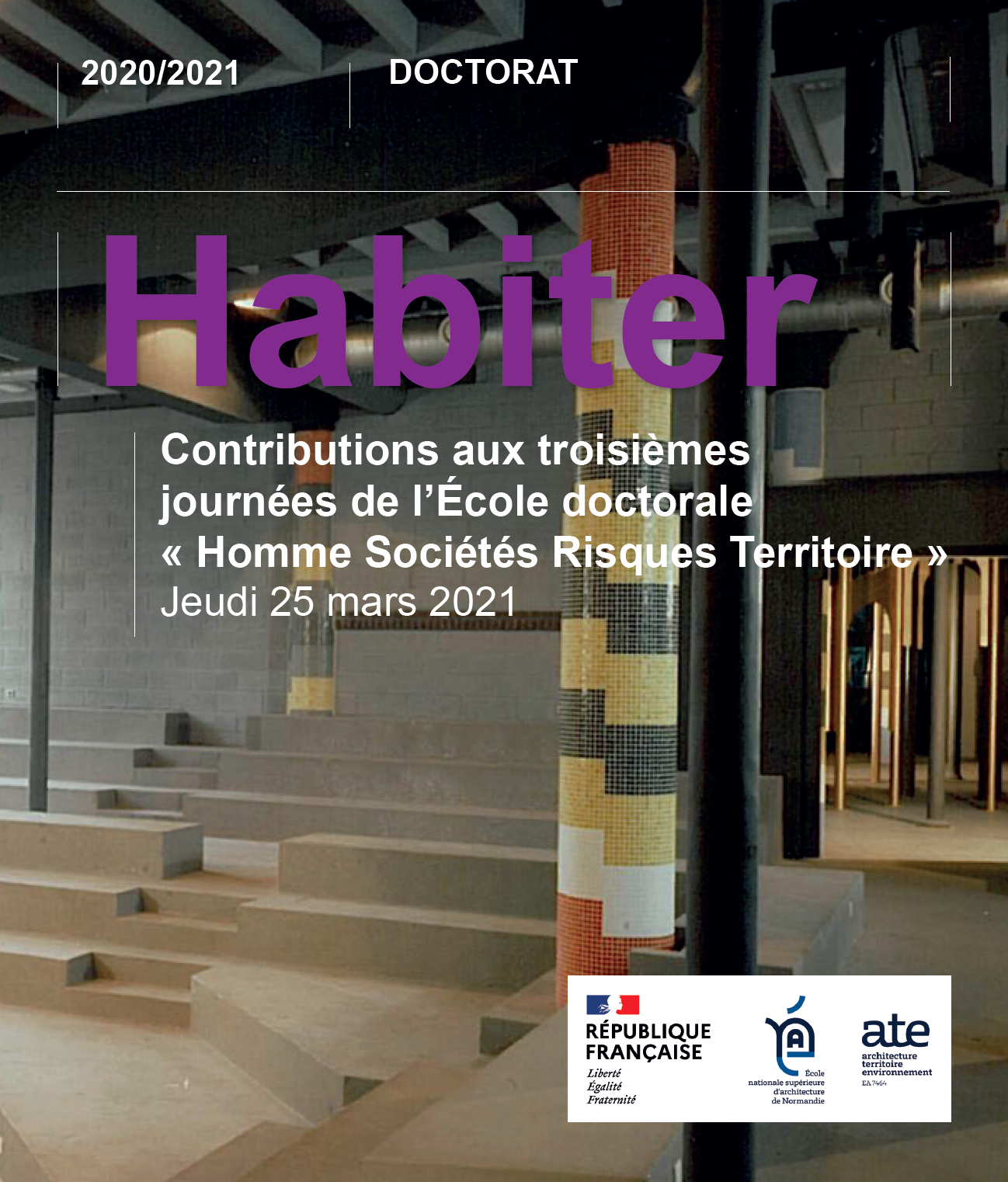
Contributions to the 3rd days of the Doctoral School 556 - HSRT

HABITATE

On Thursday, March 25, 2021, the 3rd Day of the Doctoral School 556 HSRT "Man Societies Risks Territory" was held at ENSA Normandie. Co-organized by doctoral students of the ED 556, these meetings provide an opportunity for young researchers in the humanities and social sciences to promote their work.

On this occasion, communications from various disciplines met around the notion of "HABITATE" which, as Caroline Maniaque reminds us in the preface of this brochure, "from philosophy to geography, from anthropology to architecture, passing through urbanism or history, crosses the social and human sciences and meets some of the major debates of our contemporary life".

The proceedings of this EDD, coordinated by the doctoral students, gather 14 contributions. The booklet highlights the contribution of ENSA Normandie and the ATE laboratory to postgraduate training.

Publication:

Thesis defense - Carole Lemans

Publication:

Research culture 10

Publication:

Architecture and transmission of the arts

The École nationale supérieure d'architecture de Normandie and the ATE laboratory are publishing the book Architecture et transmission des arts. This collective work, under the direction of Dominique Dehais, is the result of study days held in May 2017 at ENSA Normandie.

Summary of the book

Architectural education is composed of disciplines that contribute to the scientific, technical and sensitive scope of urban and landscape architectural design. The transmission of the arts, whether plastic, visual, theoretical or practical, is part of the educational corpus of architectural education. In its process, the Bologna Directive (EU 1999) includes the arts in the list of competences for the practice of architecture.

The contributions gathered in this book are a follow-up to the May 2017 study days at the École nationale d'architecture de Normandie. Through the singularity of their authors' didactic paths, they draw up a panorama of the issues and attitudes that give shape to the experience of art in order to understand and act in the creation of the artefacts that produce the reality of our living environments. Environments in which architecture plays a determining role.

Download the summary by clicking HERE

For any request in paper version contact the research laboratory via the form

Publication: